











At the ESPHM Congress 2026, we are presenting new insights from a large retrospective analysis on false positive rates in commercial ELISA tests for PRRSv and Mycoplasma hyopneumoniae in European pig breeding farms.
Using data from more than 60 sites across Europe, the study highlights how gender, laboratory and time can influence test outcomes – with important implications for diagnostics and herd health decision‑making.
 Visit us at ESPHM 2026 and discover the full results.
Using data from more than 60 sites across Europe, the study highlights how gender, laboratory and time can influence test outcomes – with important implications for diagnostics and herd health decision‑making.
Visit us at ESPHM 2026 and discover the full results. 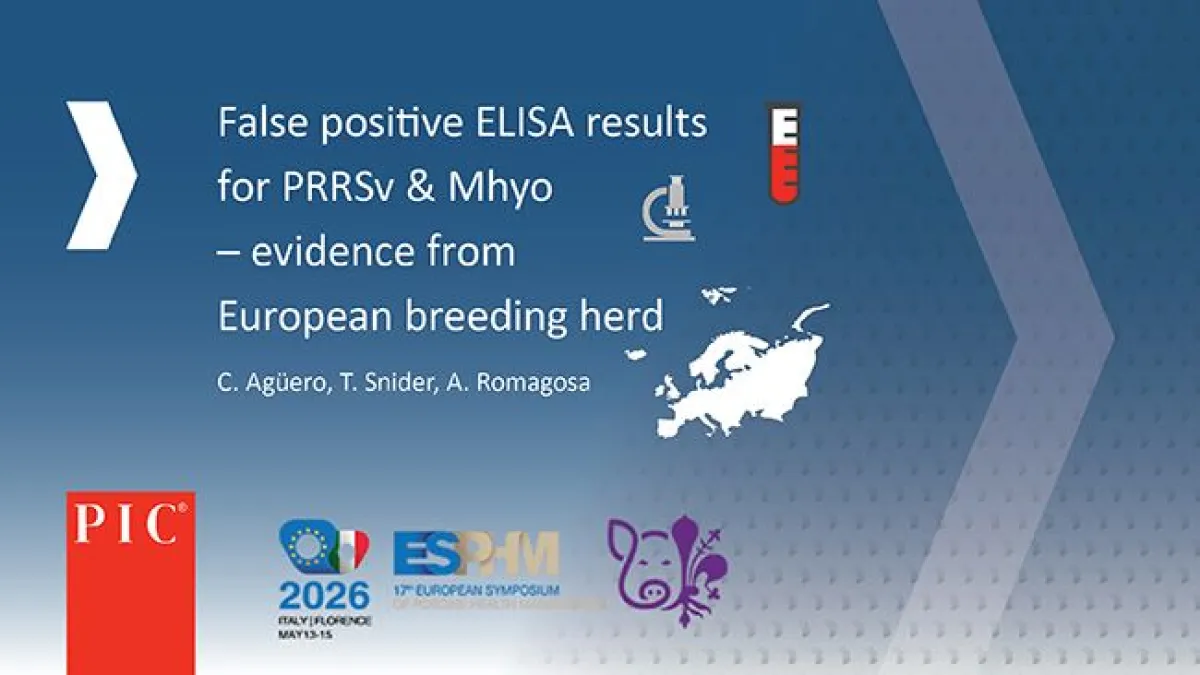
喜欢评论分享我的收藏
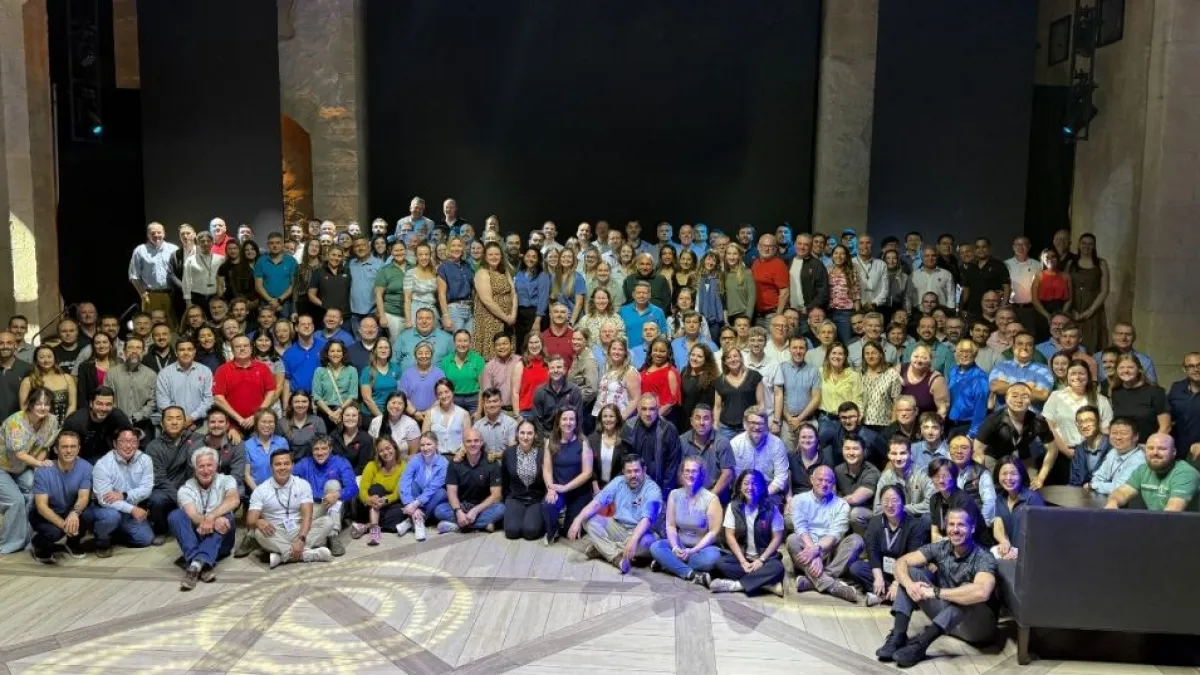
 Talent builds teams. Teamwork builds champions.
 Inspired by Michael Jordan, our Global Technical Service & Product Development Meeting showcased the strength behind PIC innovation: 1,650 years of PIC expertise and 2,846 years in the swine industry.
 Discover how we turn data into results → www.gb.pic.com
#PICEurope #PigGenetics #Innovation
2 喜欢评论分享我的收藏
Are your gilt strategies keeping up with genetic progress? Modern gilts grow faster, are leaner, and demand updated nutrition and management. Misalignment can impact longevity and productivity. Adjusting growth rates, body weight targets, and lactation nutrition is now essential. Read the full article on our website to stay ahead.Replacement gilts: How to align genetics and nutritionThe impact of recent genetic progress Over the past decade, genomics has accelerated progress in pig selection, enabling more precise work on...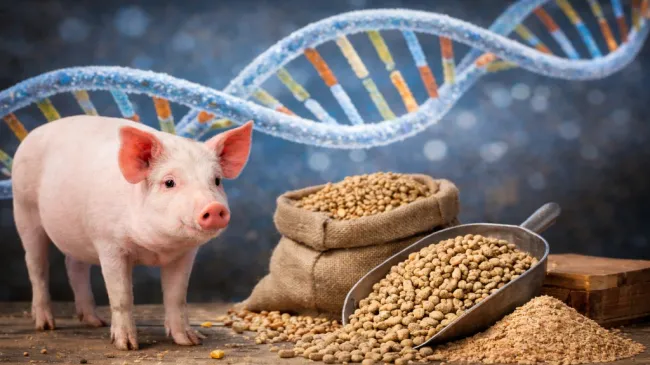
喜欢评论分享我的收藏
Without PRRS, pigs could live a healthier life.
PIC partnered with researchers to identify a solution to the challenges of the PRRS virus.
Learn more about it at www.PRRSresistantpig.com
1. Porcine reproductive and respiratory syndrome - WOAH - World Organisation for Animal Health. Accessed March 16, 2026. https://www.woah.org/en/disease/porcine-reproductive-and-respiratory-syndrome/
2. PRRS respiratory symptoms | PRRS.com. Accessed March 16, 2026. https://www.prrs.com/disease-control/symptoms/prrs-respiratory-symptoms
3. Holtkamp DJ, Kliebenstein JB, Zimme
PIC partnered with researchers to identify a solution to the challenges of the PRRS virus.
Learn more about it at www.PRRSresistantpig.com
1. Porcine reproductive and respiratory syndrome - WOAH - World Organisation for Animal Health. Accessed March 16, 2026. https://www.woah.org/en/disease/porcine-reproductive-and-respiratory-syndrome/
2. PRRS respiratory symptoms | PRRS.com. Accessed March 16, 2026. https://www.prrs.com/disease-control/symptoms/prrs-respiratory-symptoms
3. Holtkamp DJ, Kliebenstein JB, Zimme
PRRS Resistant Pig | PICPIC's PRRS-Resistant Pig is a breakthrough in pork production, improving animal welfare, reducing the need for antibiotics & increasing sustainability.
喜欢评论分享我的收藏
Litter size isn’t only about the sow New PIC analysis shows the AI boar (“service sire”) can have a small but measurable impact on piglets born alive—an effect that becomes usable with big, well-corrected datasets. Using ~80,000 litters, ~40,000 sows and ~1,600 boars (2020–2024), PIC found up to ~2% differences in liveborn piglets linked to sire lines—small, but valuable when applied systematically in breeding. Read more here:The sire effect on litter size: small, but usable for breeding When talking about litter size in practice, the sow is the focus – rightly so. Maternal line genetics, body condition,...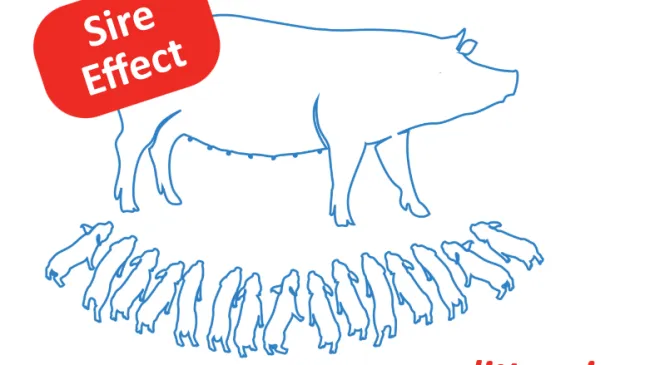
喜欢评论分享我的收藏
Meat quality is won (or lost) after the farm gate PIC meat scientist Neal Matthews explains how the PIC Pork Quality Compass helps slaughterhouses measure key drivers like cooling rate, pH, colour and texture—and benchmark results anonymously. Since 2021, 57 slaughterhouses have used Compass to spot issues, reduce stress impacts, and lift consistency across markets. Read more here: Neal Matthews of PIC: "Using the Compass programme to raise meat quality to a higher level" Meat scientist Neal Matthews is committed to further improving pork quality on behalf of PIC. In recent years, the PIC...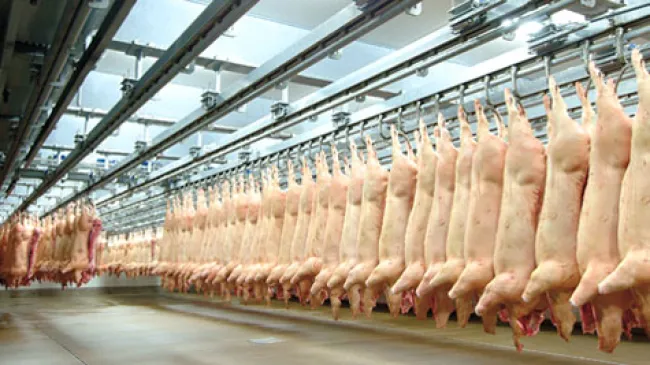
喜欢评论分享我的收藏
“Dr. Machado’s research found that antibiotic use for piglets increased by more than 3.5 times during the first 15 weeks after a PRRS outbreak on a farm. For older pigs, the use of antibiotics increased by more than 2.5 times. “
Read the full interview to dig deeper into the research and what it means for the industry and consumers.
Read the full interview to dig deeper into the research and what it means for the industry and consumers.
How PRRS exacerbates the need for antibiotics: an interview with Dr. Isadora Machado. - PRRS Resistant PigNew research shows PRRS significantly increases antibiotic use in pig. Dr. Isadora Machado explains the impact on pig health and stewardship.
1 喜欢评论分享我的收藏
Stronger pigs, fewer post-weaning losses New research confirms that genetic resistance to E. coli F18 can protect piglets against today’s highly virulent strains. In a controlled challenge, susceptible pigs showed more severe diarrhoea and higher mortality, while resistant pigs showed no mortality and no intestinal colonisation—highlighting genetics as a practical tool as reliance on antibiotics and zinc oxide declines. Read the full study here: Genetic resistance to E. coli F18 in pigs: A revealing study Rodrigo C. Paiva and Marcelo N. Almeida, Iowa State University; and Lucina Galina Pantoja, PIC Escherichia coli (E. coli) is a...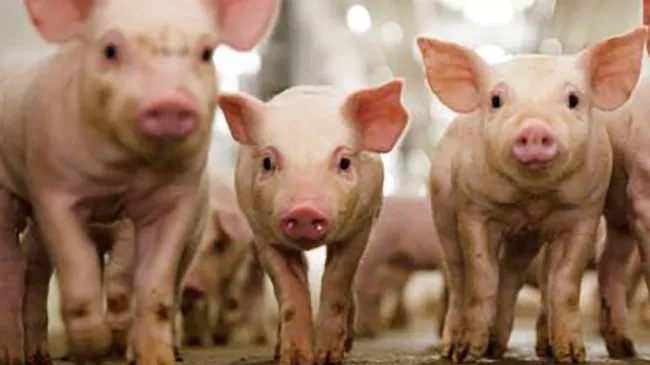
喜欢评论分享我的收藏
Gene editing meets the pasture:
Cattle with a slick coat, enhanced through a small gene edit and approved by the FDA, are better equipped to handle heat stress.
By helping cattle stay cooler in hot climates, this innovation supports animal well-being and productivity—a major step forward for more sustainable livestock production as global temperatures rise.
This is another real-world application of how gene editing is delivering practical, everyday benefits for farmers, animals, and the future of food. Follow along in our series on gene editing in action.
#geneeditinginaction #geneediting #Sustainability #FutureOfFarming #AnimalHealth
Cattle with a slick coat, enhanced through a small gene edit and approved by the FDA, are better equipped to handle heat stress.
By helping cattle stay cooler in hot climates, this innovation supports animal well-being and productivity—a major step forward for more sustainable livestock production as global temperatures rise.
This is another real-world application of how gene editing is delivering practical, everyday benefits for farmers, animals, and the future of food. Follow along in our series on gene editing in action.
#geneeditinginaction #geneediting #Sustainability #FutureOfFarming #AnimalHealth
FDA Makes Low-Risk Determination for Marketing of Products from Genome-Edited Beef Cattle After Safety Review/PRNewswire/ -- Today, the U.S. Food and Drug Administration announced it has made a low-risk determination for the marketing of products, including food, from...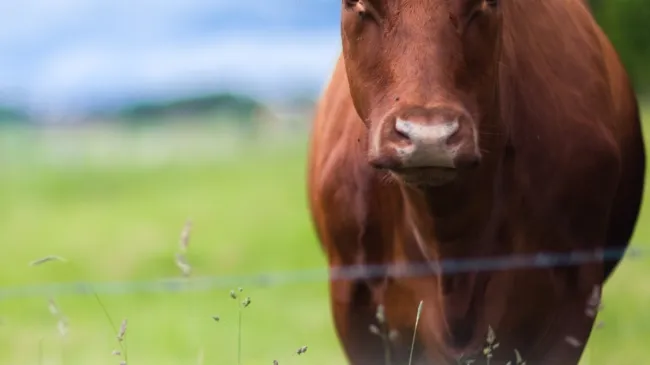
喜欢评论分享我的收藏
 Practical innovation, built into your herd From AI-assisted sow scoring to PRRS resistance R&D, PIC genetics bring high-tech solutions without the complexity. It’s innovation you can use — today. Explore how PIC genetics future-proof your farm →
 Preparing sow farms to deal with complex scenarios Introduction: Why Future-Proofing Matters in Female Pig Genetics For decades, pig production was primarily driven by a singular focus: output...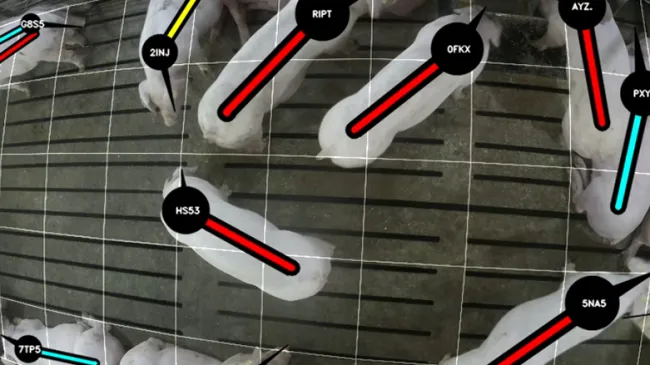
喜欢评论分享我的收藏
联系
请使用以下表格来联系我们。